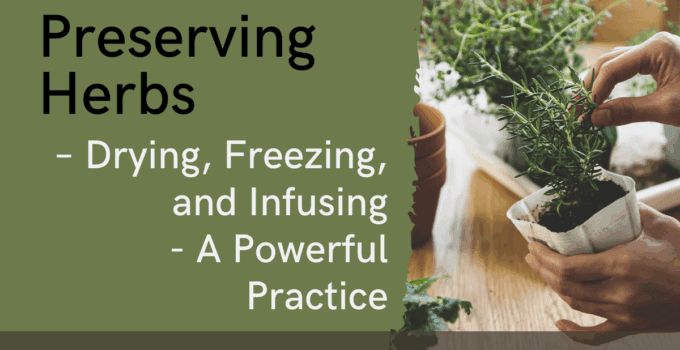
Preserving Herbs – Drying, Freezing, and Infusing: Whether you grow herbs for flavor, fragrance, or healing, there’s nothing more satisfying than harvesting them at their peak and preserving their goodness for the months ahead. Herbs are one of the easiest crops to preserve—and they’re also some of the most versatile.
From dried oregano in winter soups to frozen basil cubes in pasta sauces, this guide covers everything you need to savor your herb harvest all year long.


Preserving Herbs – When to Harvest Herbs
- Best Time: Early morning, after dew has dried but before the sun gets too hot.
- Best Stage: Just before the plant flowers, when oils are most concentrated.
- Tip: Harvest frequently to encourage new growth and prevent bolting.
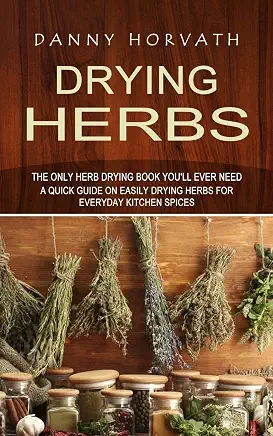
Preserving Herbs – Method 1: Drying Herbs
Drying concentrates flavor and creates a shelf-stable product. Great for:
- Oregano, thyme, rosemary, sage, mint, lemon balm, basil
Air-Drying (Traditional & Decorative)
- Tie small bunches with string or rubber bands.
- Hang upside down in a dry, dark, well-ventilated area.
- Let dry for 1–2 weeks until brittle.
- Strip leaves from stems and store in airtight jars away from light and heat.
Oven Drying (Fast Method)
- Place leaves in a single layer on a baking sheet.
- Set oven to lowest setting (usually 170°F or less).
- Prop door open slightly to release moisture.
- Check every 30 minutes; done when leaves crumble easily.
Dehydrator Drying (Best for Humid Climates)
- Lay herbs flat on mesh trays.
- Dry at 95–115°F for 1–4 hours.
- Condition herbs in jars for a few days before sealing for storage.
Preserving Herbs – Method 2: Freezing Herbs
Freezing retains color and aroma better than drying for some tender herbs like:
- Basil, cilantro, parsley, dill, chives
Basic Freezing:
- Chop clean, dry herbs.
- Place in a single layer on a tray and freeze.
- Transfer to freezer bags or containers.
Oil Cubes (Best for Cooking Use):
- Chop herbs and pack into ice cube trays.
- Cover with olive oil or melted butter.
- Freeze, then transfer cubes to freezer bags.
- Use in soups, stews, roasts, and sautés.
Preserving Herbs – Method 3: Infusing Herbs
Infused oils and vinegars preserve flavor beautifully and make lovely gifts.
Herb-Infused Vinegar
- Use rosemary, thyme, tarragon, or basil.
- Sterilize jars or bottles.
- Fill with clean, dry herbs.
- Pour over hot vinegar (apple cider or white wine vinegar work well).
- Let steep 1–2 weeks in a dark cabinet.
- Strain and re-bottle for long-term storage.
Herb-Infused Oil
- Use garlic, rosemary, or chili—must refrigerate or use immediately to avoid botulism.
- Heat oil gently and pour over herbs in a clean jar.
- Refrigerate and use within 1–2 weeks.
Preserving Herbs – BONUS RECIPES
Rosemary Garlic Oil (For Roasting)
- 1 cup olive oil
- 2 sprigs fresh rosemary
- 3 cloves garlic, smashed
Warm all ingredients over low heat for 10 minutes. Let cool, strain, and refrigerate. Drizzle over roasted potatoes, meats, or vegetables.
Frozen Basil Cubes
- 1 cup fresh basil leaves
- ¼ cup olive oil
Pulse together in a blender. Spoon into ice cube trays and freeze. Perfect for tossing into sauces or melting over pasta.
Preserving Herbs – Final Tips
- Label all herbs with name and date—they look deceptively similar when dry!
- Store dried herbs away from heat, light, and moisture.
- For maximum flavor, crush dried herbs just before using.
- Use frozen herbs in cooked dishes, not raw garnishes.
Next Up: Preserving the Harvest – Farm-Style Meal Prep & Pantry Tips
Now that your pantry is filling up, it’s time to talk about how to use all those preserved goodies in practical, delicious ways. We’ll cover easy meals, seasonal menu planning, and pantry organization hacks that work for the whole family.
A Life on the Farm is beginning a new series of farm fresh food preservation ideas! We just completed a series of informational and instructional posts concerning various aspects of much needed cooking skills. Check them out and be sure to subscribe and come back for that and more!
MORE WAYS TO CONNECT
We also, as a homesteading family, have a variety of blogs that might interest you. A Life on the Farm focuses on the more personal side of the homesteading life. We discuss subjects like family, parenting, relationships, homeschooling, cooking, canning and so much more.
Two Oaks Farm Talk concerns the more technical side of homesteading. We discuss subjects like gardening, food prep, and farm building and construction with lots of tutorials!
Farm Raised Family is basically a hub for everything under the Two Oaks Farmstead umbrella. You can learn a great deal about all parts of the farmstead there. The Farm Raised Family blog focuses on financial matters such as budgeting, saving, and more and on current events affecting families.
You can also have a more in depth look at all that we do by visiting our Two Oaks Farmstead YouTube Channel and be sure to subscribe so that you don’t miss a thing!
Farm Life and Freedom is the new podcast we are in the process of launching! It is going to be so much fun! You could also check in with our Farm Life and Freedom Youtube Channel.
Two Oaks Farmstead is the farm store… the one that holds the umbrella! Check us all out and join us, not only on our blogs and Farm Life and Freedom podcast but come join the fun on Facebook, Instagram, Twitter… wherever you get social!