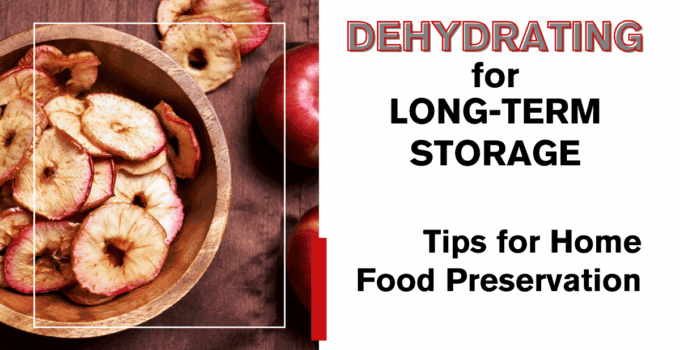
Dehydrating – When shelf space is tight and freezer space tighter, dehydrating becomes a homesteader’s best friend. By removing moisture, you prevent spoilage and create lightweight, shelf-stable food that can last for months—or even years. Best of all, dehydrated food retains flavor and nutrients, making it ideal for snacks, teas, seasoning blends, and even emergency prep.
🍎 Why Consider Dehydrating?
- Great for fruits, veggies, herbs, and meats
- Long shelf life (6 months to 1+ year)
- Lightweight and compact—perfect for camping or storage
- Simple setup and low energy use
- Preserves flavor and nutrients with proper technique
🔧 Equipment Options
- Electric Dehydrator: Most consistent results, ideal for bulk dehydrating
- Oven: Works for small batches (lowest temp, door cracked) **Don’t try this in the South in Summer!
- Air Drying: Great for herbs in dry climates
Optional extras: silicone trays, mesh liners, vacuum sealer for storage


🥕 What to Dehydrate
- Fruits: apples, bananas, strawberries, cherries, mango
- Veggies: tomatoes, zucchini, carrots, peppers, onions
- Herbs: mint, thyme, basil, oregano, rosemary
- Meat: lean cuts for jerky (with proper safety steps)
Tip: The fresher the produce, the better the dried result!
📋 Dehydrating Basics
- Wash and slice produce evenly for consistent drying.
- Blanch veggies like green beans or carrots to retain color and texture.
- Arrange in a single layer on trays—don’t overlap.
- Set temperature (usually 125°F–135°F for fruits/veggies).
- Drying time: anywhere from 6 to 24 hours, depending on humidity, thickness, and moisture content.
- Rotate trays halfway through if needed.
- Test for dryness—should be leathery, not sticky or soft.
- Let cool, then condition (see below) before storage.
🧼 Conditioning & Storage
After drying, place food in a jar for 5–7 days, shaking daily. If condensation appears, return to dehydrator.
Once conditioned:
- Store in airtight containers or vacuum-sealed bags
- Keep in a cool, dark place
- Add oxygen absorbers for long-term storage
🍏 BONUS RECIPES
Cinnamon Apple Chips
Ingredients:
- 4 apples (any variety), cored and sliced thin
- 1 tsp cinnamon (optional)
- Lemon juice + water (to prevent browning)
Instructions:
- Dip slices in lemon water for 1 minute.
- Sprinkle with cinnamon if desired.
- Arrange on dehydrator trays.
- Dry at 135°F for 8–12 hours until crisp.
- Store in jars or snack bags.
DIY Herbal Tea Blend
Ingredients:
- Dried mint leaves
- Dried chamomile blossoms
- Dried lemon balm or lemon verbena
- Optional: rose petals, lavender, orange peel
Instructions:
- Mix dried herbs in your favorite proportions.
- Store in a sealed jar away from light and heat.
- Use 1–2 tsp per cup of hot water and steep 5–7 minutes.
Perfect for cozy farm nights or gifting in pretty jars!
💡 Final Tips for Dehydrating
- Label everything clearly with name and date
- Keep dehydrated items out of sunlight
- Test a small batch first before scaling up
- Don’t toss those dehydrated veggie scraps—powder them for instant soup base!
Next Up: Fermentation – Harnessing the Power of Good Bacteria
Next, we’ll explore how to safely ferment veggies with nothing more than salt, jars, and patience. From sauerkraut to spicy carrots, fermentation brings bold flavors and big health benefits.
A Life on the Farm is beginning a new series of farm fresh food preservation ideas! We just completed a series of informational and instructional posts concerning various aspects of much needed cooking skills. Check them out and be sure to subscribe and come back for that and more!
MORE WAYS TO CONNECT
We also, as a homesteading family, have a variety of blogs that might interest you. A Life on the Farm focuses on the more personal side of the homesteading life. We discuss subjects like family, parenting, relationships, homeschooling, cooking, canning and so much more.
Two Oaks Farm Talk concerns the more technical side of homesteading. We discuss subjects like gardening, food prep, and farm building and construction with lots of tutorials!
Farm Raised Family is basically a hub for everything under the Two Oaks Farmstead umbrella. You can learn a great deal about all parts of the farmstead there. The Farm Raised Family blog focuses on financial matters such as budgeting, saving, and more and on current events affecting families.
You can also have a more in depth look at all that we do by visiting our Two Oaks Farmstead YouTube Channel and be sure to subscribe so that you don’t miss a thing!
Farm Life and Freedom is the new podcast we are in the process of launching! It is going to be so much fun! You could also check in with our Farm Life and Freedom Youtube Channel.
Two Oaks Farmstead is the farm store… the one that holds the umbrella! Check us all out and join us, not only on our blogs and Farm Life and Freedom podcast but come join the fun on Facebook, Instagram, Twitter… wherever you get social!